- Home
- News
- Makeup Packaging Trends
- How to Choose Cosmetic Packaging: Types, Materials, and 6 Key Considerations
How to Choose Cosmetic Packaging: Types, Materials, and 6 Key Considerations
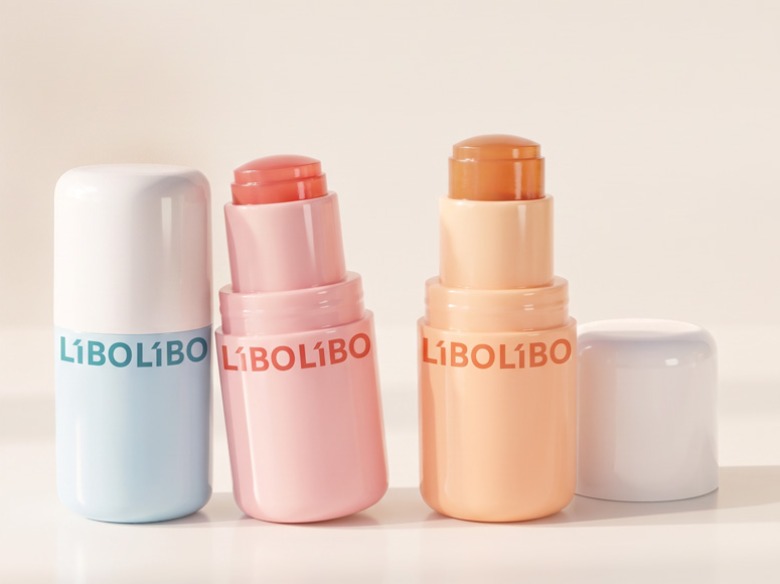
Cosmetic packaging is more than just a product’s outer box or container. From the moment consumers open the package, it affects the product experience, product protection, and consumers’ first impression of the brand. This article will give you a quick overview of cosmetic packaging—common types and material differences—and outline six key considerations when developing cosmetic packaging, helping you make more informed choices.
What Are the Common Types of Cosmetic Packaging?
Cosmetics use different forms of packaging based on product characteristics and usage needs. From color cosmetics to skincare products, here are several common types of cosmetic packaging:
Color Cosmetics Packaging
- Lipstick: Commonly used for solid lipsticks and lip balms, this packaging typically features a twist-up, push-button, or push-up mechanism. The bullet is extended for use and retracted before the cap is replaced, making it convenient to carry and use.
- Lip gloss: Suitable for liquid lip colors such as lip gloss and liquid lipsticks, as well as liquid blush, concealer, and contour products. The packaging typically consists of a bottle, cap, wand, wiper, and applicator, and can be paired with different applicators according to product requirements.
- Compacts & Palettes: Compacts are commonly used for pressed powder, powder foundation, and cushion foundation, and are usually equipped with mirrors for touch-ups on the go. Palettes typically feature multiple compartments and can hold color cosmetics such as eyeshadow, blush, and contour, with additional space for brushes.
- Mascara: Consists of a bottle, cap, wand, brush, and wiper. The wiper controls the amount of formula picked up by the brush, while different brush shapes and bristle designs create different effects, such as lengthening, volumizing, or curling.
- Jar: A powder jar mainly consists of a cap, base, inner cup, and sifter, and is commonly used to hold powdered makeup products. The size of the sifter holes affects the amount of powder dispensed; use a puff or brush to pick up the powder and apply makeup.
Skincare Packaging
- Cream Jars: Cream-based products such as face creams, eye creams, and masks commonly use wide-mouth jars. The wider opening makes it easier to access the product, and structures such as inner lids can be added according to product characteristics to reduce contact between the formula and the external environment.
- Bottles: Skincare products such as toners, serums, and lotions commonly use bottle packaging. Depending on the characteristics of the formula and dispensing method, the structure may incorporate pumps, spray heads, droppers, or airless systems.
- Tubes: Products such as facial cleansers, hand creams, and sunscreens commonly use tube packaging. The formula is dispensed by squeezing the tube, making it simple to use, easy to control the amount used each time, and suitable for everyday portability.
Cosmetic Packaging Materials: Key Characteristics of Each Material
No single cosmetic packaging material is inherently best; selection must also consider formula characteristics, packaging compatibility, barrier requirements, application methods, visual design, recycling strategies, and other factors. Packaging materials that come into direct contact with the formula must be confirmed as compatible with the product. This can be done through test data, stability studies or compatibility testing, to ensure that product quality and safety are not affected.
Plastic
Plastic is lightweight and highly versatile in forming and processing, making it widely used in cosmetic packaging. Different plastic materials are used in bottles, tubes, compacts, and caps. For example, PET offers high transparency and good strength, PP has good chemical resistance, and PETG combines transparency and toughness while also providing good processing flexibility. Material selection should be evaluated comprehensively based on the product formula, packaging structure, and compatibility test results.
Glass
Glass offers excellent chemical stability and barrier properties, reducing the risk of interactions between the packaging and its formula. It is commonly used for serums, fragrances, and skincare product packaging. In addition to its high transparency, the weight and tactile feel of glass can also give packaging a more substantial, premium feel. However, glass is relatively heavy, so collision and breakage during transport must be considered, which can also affect costs. In addition, compatibility between the bottle-neck dimensions and accessories such as pumps and droppers must also be verified during development.
Aluminum
Aluminum is relatively lightweight and provides a certain degree of barrier protection against light, air, and moisture, making it suitable for lipsticks, compacts, bottles, and other packaging components. For surface finishing, aluminum can achieve different effects through processes such as anodizing, brushing, and sandblasting, offering considerable design flexibility. If aluminum comes into direct contact with the formula, appearance cannot be the only consideration; the protective surface coating, corrosion resistance, and compatibility between the material and formula must also be confirmed.
Recycled Materials and Sustainable Packaging Design
Cosmetic packaging should not be chosen on appearance alone; the suitability of the material for the product must also be assessed. Under EU Cosmetics Regulation (EC) No 1223/2009, packaging materials in direct contact with the formula are included in the product safety assessment. Therefore, when selecting packaging materials, material stability, formulation compatibility, usage requirements, and packaging structure must all be confirmed. If the product is to be marketed in the EU, it is also necessary to consider the requirements of Regulation (EU) 2025/40 (PPWR) for packaging recyclability and circular design.
How to Choose Cosmetic Packaging for Different Products
Different cosmetics have different packaging requirements. In addition to product texture and method of use, factors such as dose per use and portability should also be considered. The following outlines packaging selection considerations for skincare and color cosmetics:
How to Choose Packaging for Color Cosmetics?
Lipstick, Foundation Sticks
For lipsticks, foundation sticks, and contour sticks, cup size and dispensing structure can be adjusted according to the stick dimensions, texture, and method of use, while either top-fill or bottom-fill methods may be selected. At the same time, the twist-up mechanism and package seal integrity are details that require attention during development. If a brand has special requirements, further options such as refillable, dual-ended, or brush-equipped designs for different use scenarios can also be developed.
Lip Gloss and Liquid Lipstick
In lip color packaging development, beyond bottle capacity and design, the applicator is a key detail that shapes the lip color experience. Brands can select metal, sponge, or differently shaped flocked applicators based on formula characteristics; they can also incorporate dual-ended designs to combine different textures or applicators. This flexible packaging format is used not only for lip gloss and liquid lipsticks, but also for liquid blush, concealer, and similar products.
Pressed Powder, Eyeshadow, Blush, and Contour
Pressed powder compacts and makeup palettes can be designed with compartments based on product combinations; their shapes, sizes, quantities, and layouts can all be flexibly customized, along with space for accessories such as brushes, puffs, or mirrors. Depending on product positioning and usage requirements, they can also feature different opening and closing mechanisms, inner tray structures, and refill functions, such as magnetic closures, snap closures, and refillable designs, so the packaging balances ease of use with a cohesive brand style.
Mascara
Mascara packaging can be planned around brush design, wand structure, and grip style. Different bristle lengths, arrangements, comb structures, and brush curvatures all affect formula pickup, combing performance, and application results. Handle dimensions and grip design can be adjusted to suit usage habits, then paired with a refillable structure.
Loose Powder Jar
Loose powder jars can be designed according to the product formula, fill volume, and dispensing method, with capacity, neck specifications, sealing design, inner cup, and sifter-hole size all flexibly adjustable to meet product requirements. For sustainable packaging requirements, refillable designs, replaceable inner cups, or combinations of different materials can also be incorporated.
How to Choose Packaging for Skincare Products?
Toner and Serum
Depending on the product formula and method of use, skincare bottles can feature different dispensing designs, such as pumps, droppers, sprays, airless bottles, or rollerballs, together with a suitable dose per pump, neck finish, capacity, and airtight structures. For products with special requirements, double-wall bottles, inner liners, or refillable designs can also be further developed and combined with functional dispensing heads, such as massage applicators and rollerball applicators, to make the packaging better suited to the product's method of use.
Lotion
Lotion packaging is selected based on the product formula and method of use, with pump bottles or tubes as suitable options. Pump bottles make it easy to control the amount used each time and are ideal for everyday home use; tubes are convenient to carry and can be dispensed simply by squeezing the container. The dispensing structure should also be selected according to the product texture and method of use.
Face Cream and Eye Cream
Face creams and eye creams typically have a cream texture. Common packaging options include wide-mouth jars and tubes, which can be selected based on product texture and dispensing preferences. In addition to standard bottle and jar designs, eye creams can also be paired with massage-style dispensing heads, such as metal applicators and rollerball applicators, for more convenient application around the eyes.
Sunscreen and Facial Cleanser
Sunscreens and facial cleansers are commonly packaged in tubes, pump bottles, or squeeze bottles for convenient dispensing, while also controlling the amount used each time. If the product needs to be carried frequently when traveling, consider not only the product capacity but also the container size and method of use, making the packaging more convenient to carry and use.
Before Choosing Cosmetic Packaging: 6 Key Points to Consider
From appearance design to final mass production, cosmetic packaging involves many details that need to be confirmed, including product formulation characteristics, method of use, budget planning, and launch schedule. Confirming these conditions before development will help ensure smoother material selection, sampling, and mass production.
Cosmetic Packaging Development Checklist
| Verification Items | Description |
|---|---|
| Product-Packaging Compatibility | Confirm the product format and formula, and test compatibility between the formula and packaging, noting any discoloration, unusual odor, or leakage |
| Capacity and Usage Scenarios | Plan the dimensions of bottles, caps, pumps, and other components according to product capacity and use, while also considering portability |
| Filling and Assembly Testing | Conduct actual filling and assembly process testing to confirm that the packaging structure and functions remain intact after transportation and use |
| Appearance and Decorative Finishes | Select materials, colors, and finishing methods based on the brand style, while considering the finished effect, abrasion resistance, and processing costs |
| Cost, Quantity and Delivery Lead Time | Before development, confirm the budget, order quantity, tooling, and unit price, and determine the minimum order quantity and estimated development timeline. |
| Market and Regulatory Requirements | Before launch, confirm the labeling and material requirements in the sales region, and reserve space for information such as the product name and ingredients. |
Cosmetic Packaging Development? LIBO Has You Covered
Cosmetic packaging requires more than just an attractive appearance. Product characteristics, methods of use, and mass-production requirements must all be carefully considered during the development stage. LIBO specializes in makeup and skincare packaging development and has in-house R&D, design, and integrated production capabilities. From packaging design and structural development to mass production, we provide comprehensive services. Our products include lipstick, lip color, mascara, compacts, makeup palettes, stick products, jars, and skincare packaging, and we have obtained relevant certifications including ISO 9001, ISO 14001, GRS, and ISCC PLUS. To meet the needs of different products, LIBO continues to invest in quality management and sustainable packaging development, helping brands identify the right packaging direction.
〈Related Resources: Explore LIBO Products〉
Conclusion
When selecting cosmetic packaging, appearance alone is not enough. Every aspect, from initial material selection and structural design to subsequent sampling and mass production, must be considered to find packaging that suits both the product and the brand. LIBO provides design, development, and manufacturing services for primary makeup and skincare packaging, supported by its manufacturing and service network across Asia and North America to meet the needs of brands in different regions. If you are planning cosmetic packaging, please contact us to learn more about partnership opportunities.
〈Related Resources: Customer Portfolio〉