Beyond Aesthetics: How Glass Lotion Bottles Influence Skincare Brand Value
In today's competitive skincare market, consumers often form their first impressions of a product through its packaging, long before experiencing the formula itself.
When skincare products offer similar ingredients and benefits, packaging can influence purchasing decisions by communicating product quality, reinforcing brand positioning, and shaping the overall user experience.
This is why choosing a lotion bottle involves more than selecting a material or an attractive design. For skincare brands, the more important question is: How can packaging contribute to a product's value?
How Does Packaging Influence Perceived Skincare Quality?
Consumers cannot determine a lotion's actual effectiveness simply by looking at its packaging. However, visual and tactile cues can influence their initial expectations.
A study published in Psychology & Marketing found that packaging aesthetics can influence consumers' perceptions of product efficacy in the beauty category, potentially affecting their purchasing decisions.
This suggests that packaging serves not only as a protective container but also as a visual indicator consumers may use to evaluate product quality before trying it.
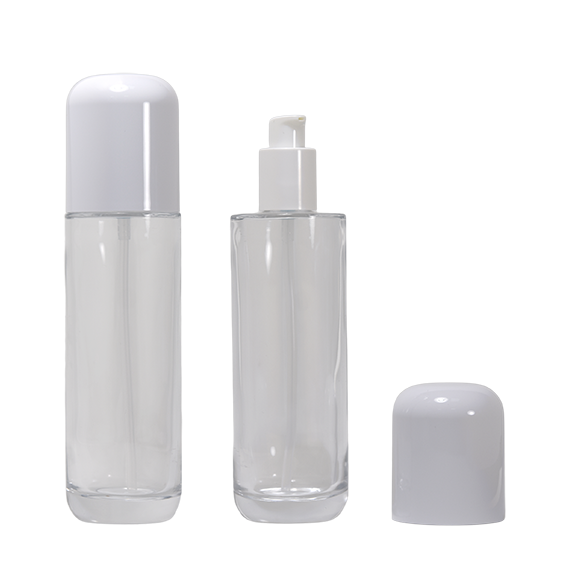
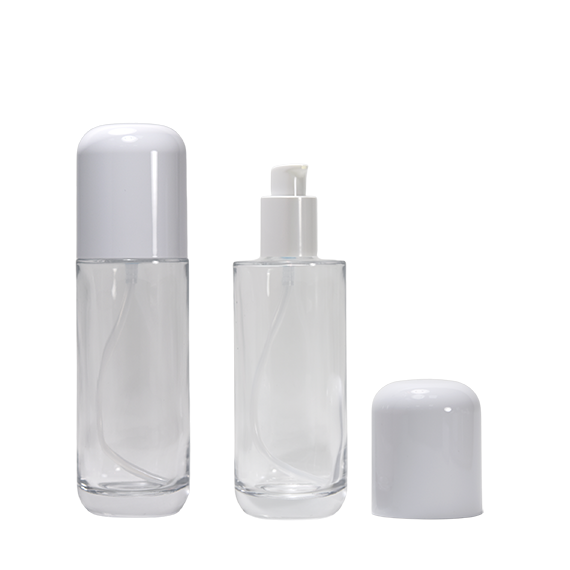
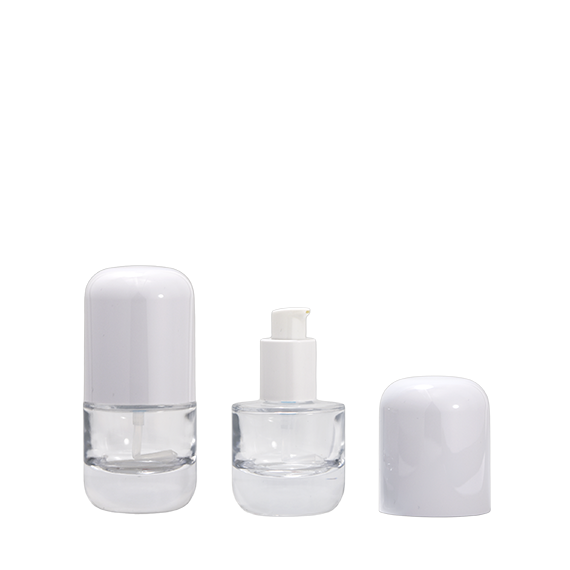
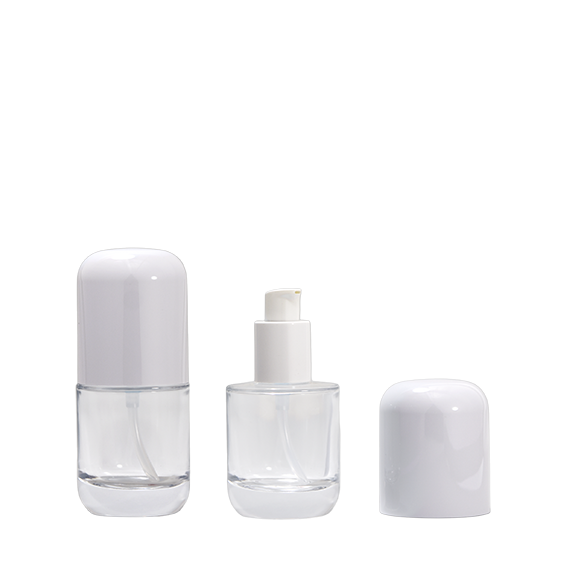
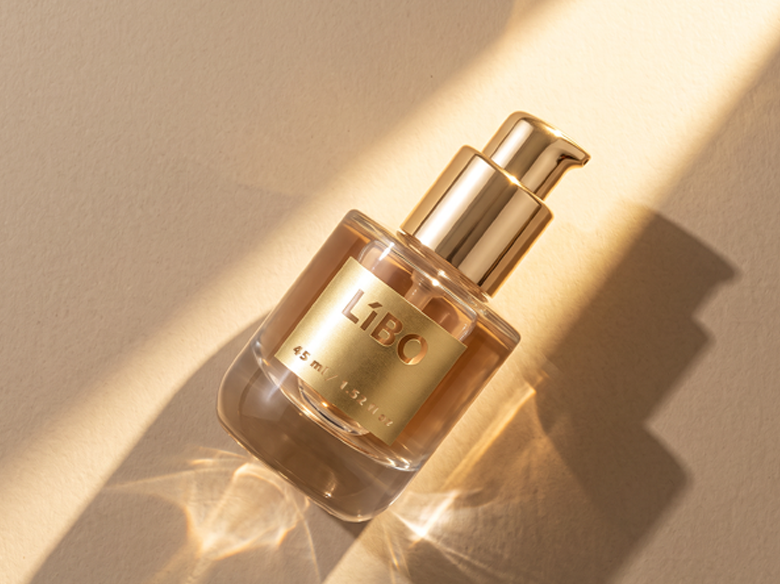
For premium skincare brands, glass lotion bottles offer a distinctive way to communicate quality through design. The clarity, substantial feel, and smooth surface of glass, combined with thick-walled construction and soft contours, can create a refined appearance without elaborate decoration.
For brands, effective packaging design is not simply about attracting attention. It is about ensuring that the product's appearance reflects its positioning and sets expectations that align with the actual product experience.
Can Glass Lotion Bottles Influence Purchase Decisions and Price Perception?
Beyond visual appeal, packaging materials can also influence how much consumers are willing to pay for a product.
A 2025 study published in Sustainability examined how cosmetic packaging design affects consumers' willingness to pay through a simulated choice experiment involving German consumers.
The findings identified packaging material as an important factor. In the study, glass packaging was associated with an estimated willingness to pay approximately €1 more than the wood-based reference packaging.
While this does not mean that all skincare products packaged in glass can command higher prices, it suggests that consumers may assign measurable value to certain packaging materials.
For skincare brands seeking a premium market position, glass lotion bottles can be an element of product differentiation. Through thoughtful choices in glass thickness, bottle proportions, and design details, brands can create packaging that supports their intended positioning and communicates product value through a tangible experience.
Why Packaging Functionality Matters Beyond Material Selection
Attractive packaging may help influence an initial purchase, but the product experience continues long after consumers bring it home.
Ease of dispensing, pump performance, and the ability to use the remaining formula can all influence how consumers evaluate a product over time.
Research examining residual product in cosmetic packaging found that certain hand cream pump containers retained between 12.56% and 26.65% of their contents. These findings highlight how dispensing system design can affect the amount of product consumers can actually use.
This does not suggest that all pump lotion bottles have the same limitations. Instead, it emphasizes the importance of evaluating formula viscosity, pump mechanisms, and dispensing performance alongside bottle aesthetics.
For skincare brands, packaging should balance appearance and functionality, ensuring that the everyday experience meets the expectations established by the brand.
Building a Consistent Brand Identity Across Skincare Collections
As brands expand their offerings to include toners, lotions, moisturizers, and other skincare products, packaging decisions increasingly extend beyond individual products.
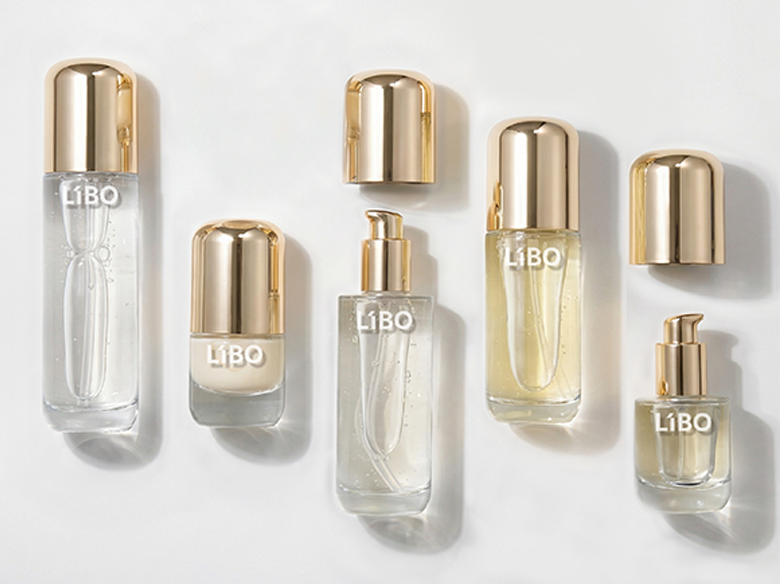
Consistent bottle shapes, materials, and visual elements can create a cohesive appearance across a collection, making it easier for consumers to recognize products within the same brand.
Different lotion bottle capacities also provide flexibility for various formulas, usage frequencies, and product positioning.
By combining a unified design language with appropriate sizes and dispensing systems, brands can maintain a consistent visual identity while addressing the practical needs of different skincare products.
Designed for Cohesive Skincare Collections
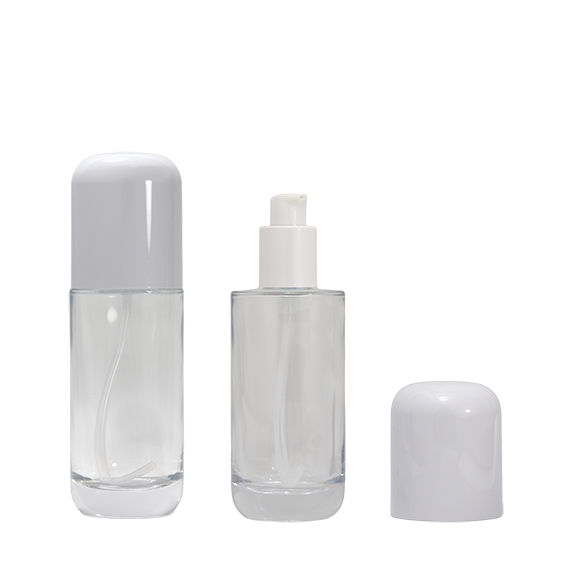
To support the diverse packaging needs of skincare brands, LIBO offers a collection of glass lotion bottles featuring thick-walled glass and softly rounded silhouettes.
The collection combines clean, elegant design with a refined appearance, allowing brands to create a consistent packaging aesthetic across different skincare products.
Available in 30 ml, 45 ml, 100 ml, 120 ml, and 150 ml capacities, the series offers flexibility for developing coordinated skincare collections tailored to different product applications and brand positioning.
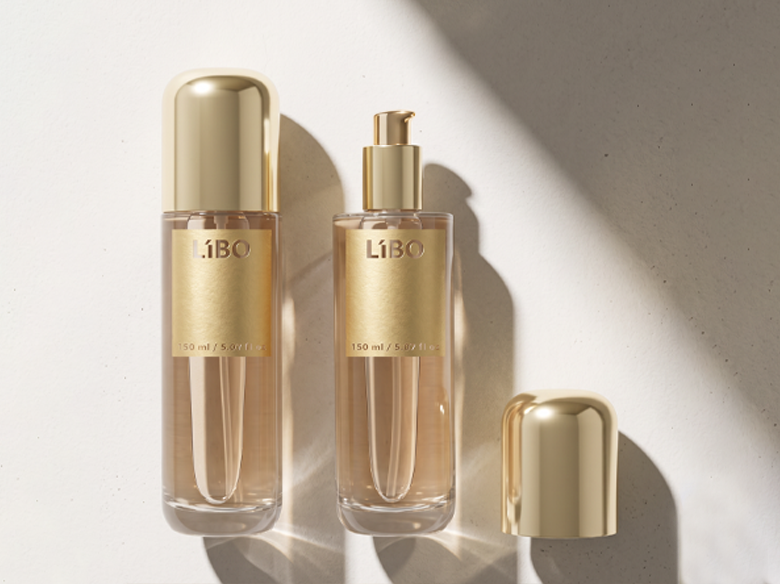
For brands developing new products or expanding existing skincare lines, a lotion bottle is more than a container for the formula. It is an important design element that can influence perceived quality, user experience, and brand identity.
Choosing the right glass lotion bottle means considering not only materials and aesthetics, but also how packaging design aligns with product performance and brand positioning.