How Glass Droppers Are Responding to Targeted Skincare and Precision Beauty
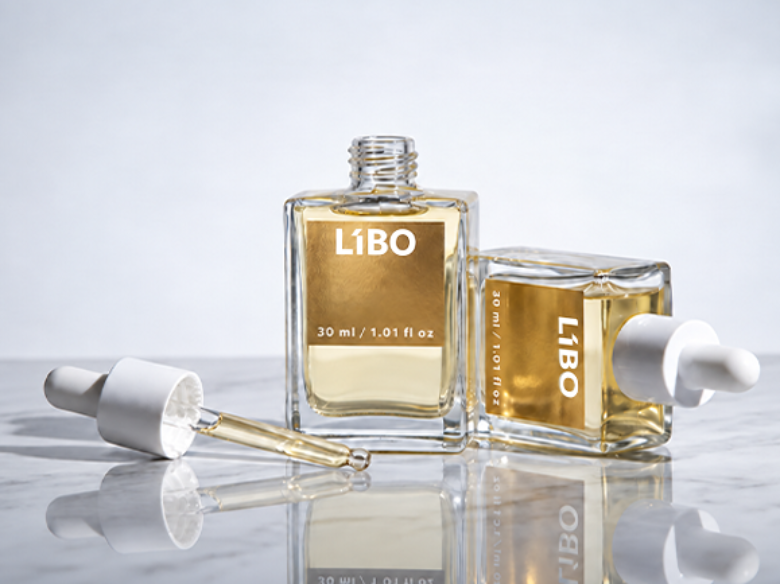
Swap the dropper, and the same serum can feel completely different. As targeted skincare and high-concentration actives go mainstream, consumers care about more than what is inside the bottle. They also care about how much comes out with each use, and how it is applied.
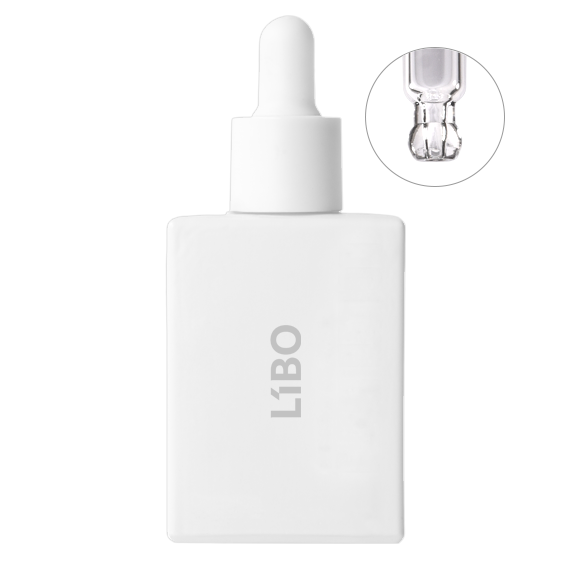
The glass dropper has long been the standard for serums and facial oils. Its design language, borrowed from the laboratory and the pharmacy, fits this moment: controlled dosing, a visible formula, and a material that is kind to the formulation. This article looks at the glass dropper's role in next-generation beauty across five areas (medical-grade skincare, precision dispensing, sensory design, cross-category use and sustainability), and at what brands should confirm early in development.
Why Medical-Grade Skincare Favors Glass Droppers
The glass dropper communicates professionalism and protects the formula at the same time, which is why it is hard to replace in targeted skincare.
From vitamin C and retinol to peptides, brands increasingly emphasize the science behind their formulas and the specificity of their care. Full Beauty Suppliers' 2025 packaging trend report notes that medical aesthetics is redefining how beauty packaging looks and works. Brands are borrowing clinical and laboratory cues to signal science, expertise and efficacy. A glass bottle with a dropper, drawing up, observing and releasing the formula drop by drop, is the most intuitive expression of that imagery.
On the functional side, glass offers practical advantages:
- High chemical stability: glass is inert, so the risk of incompatibility with acids, vitamin C derivatives and retinol is lower.
- Light protection options: for light-sensitive ingredients, amber or dark glass, or a surface coating, can reduce light exposure.
- Good barrier performance: this helps maintain the stability and shelf life of premium serums.
For brands built on high-concentration actives, a glass dropper is not just a dispensing tool. It is visual and material proof that the product is worth its price.
Precision Dispensing: Same Look, Very Different Performance
A dropper's dispensing performance depends on how the whole assembly works with the formula, not on its appearance or type. Global Cosmetic Industry's 2026 packaging trend report notes that dropper technology is moving toward more precise dispensing structures, including metered squeeze, automatic draw-up and easier handling. This reflects industry expectations for consistent output, efficient use and formula protection.
For a glass dropper, development should review at least four factors together:
|
Factor |
Effect on use |
What to confirm in development |
|---|---|---|
|
Formula viscosity |
Draw-up speed, drip speed, continuity of drops |
Thin serums and thick oils call for different pipette bores |
|
Pipette bore and length |
Drop size, residual volume, stringing |
Length must match bottle height and base shape so the usable volume can actually be drawn |
|
Bulb material and elasticity |
Squeeze feel, consistency of draw volume, durability |
Compatibility with the formula, especially oil-rich or fragranced ones, should be tested |
|
Draw capacity |
Whether a single dose matches the recommended use |
Graduation or dose per squeeze should match the usage instructions |
For this reason, brands are best served by evaluating the formula and the dropper structure together at the start of development, rather than choosing components after the bottle design is finished. Discovering late that a bulb is incompatible with the formula, or that the pipette cannot reach the last of the product, costs far more to fix than testing both from the outset.
The Weight and Texture of Glass Create the Premium Feel
In premium skincare, how consumers interact with a product has become part of how brands differentiate, and glass is the material best suited to carry those details. In 2026, Full Beauty Suppliers covered Lierac's PREMIUM Absolute serum packaging, which pairs a square glass bottle with a translucent finish and a textured gold aluminum dropper collar, using sight and touch to reinforce its high-end positioning.
Sensory design for a glass dropper can be approached at several levels:
- Bottle: shape, wall thickness and weight set how substantial it feels in the hand, while clear, frosted, gradient or sprayed finishes set how it looks in the light.
- Surface decoration: spraying, plating, screen printing and hot stamping can build brand identity without changing the bottle shape.
- Dropper components: metal or plated collars, the grip of the cap and the feedback of the bulb are the details consumers touch every day.
The heft of glass also has to be balanced against shipping and real-world use. Wall thickness, base strength and total weight should be considered together with drop testing and logistics cost.
For premium brands, these details are more than decoration. They turn a daily routine into a ritual with the brand's own character.
Skincare Meets Color: Glass Droppers Beyond Serums
As hybrid beauty grows and the line between skincare and makeup blurs, the glass dropper can move beyond serums and facial oils. Cosmetics Business noted in its 2026 beauty packaging coverage that future dispensing and application formats will put more weight on personalization, multifunctionality and adaptability to new formula types.
A dropper lets consumers adjust the amount to the finish they want, or blend the product with other skincare, which is harder to do with conventional makeup packaging. Different products call for different dropper specifications, and the table below is a starting point for evaluation:
|
Product type |
Formula traits |
What to evaluate in a glass dropper |
|---|---|---|
|
Serum foundation, tinted serum |
Contains pigments or coverage ingredients that may settle |
Ease of shaking before use, residue in the pipette and cleaning, how the shade looks through a clear bottle |
|
Liquid blush, liquid highlighter |
Intense color, small amounts go a long way |
Small, consistent drop size so users do not draw up too much |
|
Bronzing drops |
Pigments alongside skincare actives |
Pipette bore matched to viscosity, and whether pigment stains the bottle and pipette |
|
Scalp care, hair oil |
Oil-based, larger doses |
Larger capacity and bore, and bulb compatibility with oils |
|
Targeted spot treatments |
High concentration, small doses |
Precise dosing and a design that limits contamination |
Final specifications should be set only after compatibility and dispensing tests against the actual formula viscosity and target dose. For brands, the glass dropper is now an option for cross-category development, not just a format for serums.
Sustainability: Recyclable Glass Does Not Mean a Recyclable Dropper
A glass bottle has a solid recycling foundation, but the recyclability of the whole dropper still depends on its component mix, how easily it comes apart and the local recycling system.
A dropper typically combines a glass bottle, pipette, bulb, collar and cap, in different materials. Even if the bottle is recyclable glass, a bulb, metal collar or plastic cap that is hard to separate will weaken the result for the whole pack. For that reason, sustainable design is shifting from simple material swaps toward the following:
- Fewer parts and fewer material types: reduce the number of materials and make each part easy to separate.
- Single-material structures: for example, keeping the cap and collar in the same material to ease recycling.
- Recycled content: evaluate recycled glass or recycled plastic where quality and regulations allow.
- Less residual formula: helping users finish the product also reduces waste.
The last point is often overlooked, yet it is the one closest to the consumer. A dropper design reported by Full Beauty Suppliers in 2025 reshaped the bottle base so that the remaining formula collects where the pipette can reach it, increasing how much of the product is actually used.
The value of sustainable packaging lies not only in reducing its own environmental impact, but also in helping consumers use up the product itself.
LIBO Glass Droppers: Start from the Formula, Choose the Right One
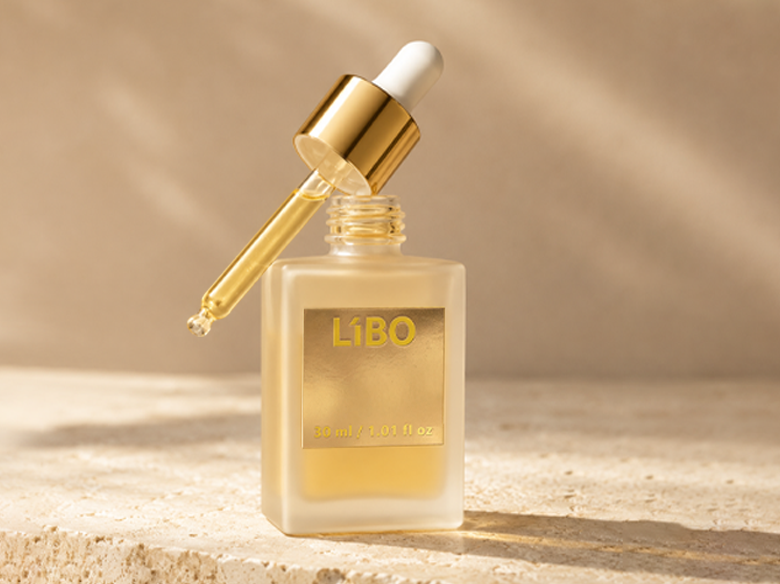
LIBO focuses on beauty packaging design, engineering development and manufacturing. We offer a range of glass droppers across bottle shapes, capacities, materials and surface decoration processes, suited to serums, facial oils and other liquid beauty formulas. From minimalist designs that convey science to premium lines built on material and detail, we work from real development and manufacturing experience to help brands turn trends into packaging that can be produced at scale.
The strength of a glass dropper lies not only in how it looks, but in how well it integrates formula needs, dispensing performance, sensory experience and brand positioning.
Not sure which dropper suits your formula?
Tell us your formula viscosity, target fill volume and brand positioning, and we will help evaluate bottle and dropper pairings and can arrange sampling and testing.