- Home
- News
- Makeup Packaging Trends
- Cosmetic Packaging Trends: Design and Supplier Selection
Cosmetic Packaging Trends: Design and Supplier Selection
As consumer values and aesthetic preferences evolve, cosmetic packaging needs to do more than protect the product. It also needs to look appealing in photos and encourage sharing on social media to attract consumers in a competitive market. This article explores cosmetic packaging trends for 2026 and explains how beauty brands can choose packaging that reflects their brand positioning and helps their products stand out.
What Are the Key Cosmetic Packaging Trends for 2026?
Sustainable Packaging Materials
Cosmetic packaging has traditionally relied heavily on plastic. As sustainability becomes a greater priority, consumers are paying closer attention to the environmental impact of packaging materials. In response, many brands are adopting mono-material packaging made from glass, aluminum, paper, or recycled plastic to make recycling easier and reduce environmental impact.
Refill packs are another way to reduce packaging waste. They use less single-use packaging and are often priced lower than the original product, which can encourage repeat purchases.
Multisensory Packaging Design
Attractive, distinctive packaging can make a strong first impression, especially among younger consumers who value design. However, cosmetic packaging trends now extend beyond visual appeal. Many beauty brands are incorporating textures, scents, and other sensory elements into their packaging to help consumers form stronger connections with the brand.
For example, different applicator materials can create different sensations when they touch the skin, shaping the overall application experience. Metal applicator tips feel cool to the touch and create a soothing sensation, making them a popular choice for firming skincare products such as eye creams and serums.
Compact, Practical, and Easy to Carry
Cosmetics used for touch-ups increasingly come in compact, portable packaging. For example, Korean brands fwee and AMUSE offer lipstick and blush packaging with keychain designs, allowing consumers to clip the products onto their bags as decorative charms when not in use. These designs make cosmetics part of consumers’ everyday routines and help strengthen their connection with the brand. Smaller pack sizes also appeal to consumers who want to try new products at a lower upfront cost.
What Drives Cosmetic Packaging Trends?
The Influence of Social Media
Today, many consumers browse social media for product reviews and recommendations before buying cosmetics, while others discover new products through influencers. This makes packaging an important part of brand marketing. Distinctive packaging can quickly catch consumers’ attention and encourage them to learn more. For example, Chinese beauty brand Florasis uses luxurious packaging inspired by traditional Chinese aesthetics, incorporating classical design elements to create a recognizable brand identity.
Evolving Packaging Sustainability Policies
Governments and regulatory bodies are introducing new rules to make packaging more sustainable. For example, the EU’s Packaging and Packaging Waste Regulation (PPWR) generally applies from August 12, 2026, with recyclability requirements phased in from 2030. These changes affect cosmetic packaging, so brands entering the EU market need to review their packaging designs and materials to meet the applicable requirements.
Evolving Formulations and Beauty Product Categories
The line between makeup and skincare is becoming increasingly blurred, with more makeup products combining color or coverage with skincare benefits such as hydration and skin conditioning. As these hybrid products become more popular, makeup brands are adopting packaging formats commonly used for skincare, such as airless bottles and semi-transparent containers, to highlight their products’ multiple functions.
Advances in Manufacturing Technology
As manufacturing technology advances and production costs fall, packaging designs that were once difficult to produce become viable for mass production. As more beauty brands adopt these designs, they can become established cosmetic packaging trends. For example, airless pump technology was once used only in premium skincare packaging. Advances in automated production have since made it more accessible, allowing airless bottles to be used more widely for mass-market serums, lotions, and creams.
How Can Brands Identify the Right Cosmetic Packaging Trends for Their Products?
While brands should stay informed about cosmetic packaging trends, not every trend is right for every brand. Adopting a trend without assessing whether it suits the brand’s existing products can lead to packaging that conflicts with its positioning and weakens its appeal. Here are four criteria to help brands evaluate which trends to adopt:
Product Formulation and Ingredients
The primary role of packaging is to protect the product. Choosing packaging that is compatible with the formulation and ingredients helps preserve product quality until it reaches consumers. For example, clear glass bottles may suggest a clean formulation, but they may not provide adequate light protection for products containing high concentrations of pure vitamin C. Dark or opaque containers can help protect these light-sensitive formulations and reduce the risk of degradation.
Target Customers
Different customer groups have different priorities and may look for different packaging features. Brands should therefore consider how and where their target customers use the products when designing packaging. For example, younger consumers often prefer visually appealing packaging that reflects their personal style. Older consumers tend to place greater emphasis on product performance and prefer simple packaging that is easy to use.
Sales Channels
Sales channels influence how packaging presents a product and which features matter most. In physical stores, packaging needs to stand out among competing products, making visual appeal on the shelf especially important. For products sold online, lightweight, shatter-resistant packaging is a priority. The table below outlines common cosmetic sales channels and the key packaging considerations for each.
Cosmetic Sales Channels and Packaging Considerations
| Sales Channels | Department Store Counters | Drugstores | Pharmacies and Aesthetic Clinics | E-Commerce Platforms |
|---|---|---|---|---|
| Shopping Behavior | Consumers try products recommended by sales associates and value the in-store experience. | Consumers compare product features independently and prioritize value for money. | Purchases are often made alongside treatments or professional medical consultations. | Consumers rely on product images and videos to make purchasing decisions. |
| Packaging Design | Premium, refined, and distinctive | Easy to recognize, with clear product information | Minimalist and clean | Memorable |
| Packaging Priorities | Convey the brand’s premium image | Stand out on the shelf and encourage sharing on social media | Display ingredient information clearly | Enhance the unboxing experience |
Costs and Mass Production Requirements
Production costs and mass production requirements affect a brand’s profitability. Not every popular packaging design is suitable for mass production. For example, packaging with unusual shapes or multiple finishing steps may look sophisticated, but it can also be costly to produce or difficult to manufacture consistently, making a reliable supply harder to maintain. Brands should therefore consider manufacturing capabilities and constraints when developing innovative packaging designs.
Five Key Factors to Consider When Choosing a Cosmetic Packaging Supplier
Before choosing a cosmetic packaging supplier, define your packaging specifications and order quantities. Then evaluate potential suppliers against the following five criteria to find a partner that best meets your needs.
- End-to-End Services: Choose a supplier that handles every stage, from design and sampling to mass production. Working with a single manufacturer can reduce the time and cost of back-and-forth communication and make it easier to identify the source of any issues.
- Manufacturing Capabilities: Container molding and surface finishing methods affect costs, minimum order quantities (MOQs), and production capacity. Before choosing a supplier, assess whether its manufacturing processes are well established and its capabilities meet your requirements.
- Industry Experience: Experienced suppliers understand cosmetic packaging trends, industry standards, and other requirements, and are generally better equipped to resolve problems. When evaluating a supplier, ask whether it has manufactured similar products or worked on comparable packaging designs.
- Quality Control: Effective quality control processes help maintain consistent product quality during mass production. Choosing a packaging supplier with relevant quality certifications can give brands greater confidence in its ability to meet their quality requirements.
- In-House Manufacturing: Suppliers that own and operate their factories can directly manage manufacturing processes and production schedules. This gives them greater control over production details and more flexibility to respond to changing requirements.
Bring Cosmetic Packaging Trends to Life with LIBO
LIBO Cosmetics supplies cosmetic and skincare packaging, offering services from design to manufacturing. With over 20 years of industry experience and partnerships with more than 250 brands, LIBO understands current cosmetic packaging trends and helps clients turn design concepts into packaging ready for commercial production.
Advanced Manufacturing Capabilities
LIBO Cosmetics offers a range of manufacturing techniques, including injection molding, two-color injection molding, extrusion blow molding, and metal stamping. It also incorporates decorative finishes and materials, such as diamond-cut effects and premium leather, to create cosmetic packaging that combines visual appeal with functionality.
〈LIBO’s Strengths: Our areas of expertise, Secondary Decoration, Flocked Applicators〉
Cohesive Packaging Across Your Product Line
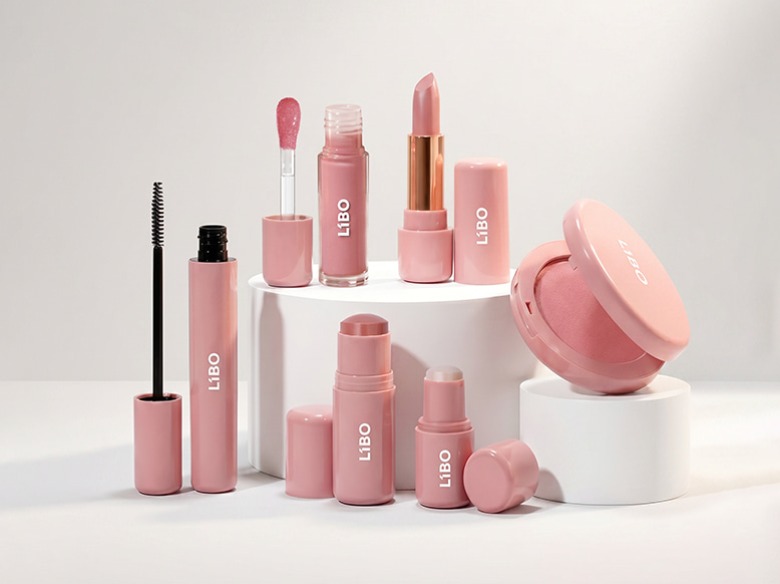
LIBO Cosmetics helps brands create distinctive, cohesive packaging for pressed powders, lipsticks, mascaras, and other products. A consistent packaging style makes the brand instantly recognizable and expresses its unique identity, while making it easier to extend the design to new products in the future.
〈LIBO Cosmetic Packaging: Product〉
Sustainable Cosmetic Packaging Solutions
LIBO Cosmetics’ sustainability credentials include EcoVadis Bronze, CDP, and GRS. The company uses aluminum and post-consumer recycled (PCR) materials and develops refillable systems, mono-material structures, and other sustainable packaging designs. These efforts support environmentally responsible product development and reflect LIBO’s commitment to corporate sustainability.
〈LIBO’s ESG Commitment: Sustainable Initiative, CSR Policy, LIBO-Eco〉
Company-Owned Factories
LIBO combines cosmetic packaging research and development with manufacturing and operates three world-class, company-owned factories, a dedicated R&D center, and two international offices. With capabilities spanning manufacturing, quality control, and cost management, LIBO provides reliable service tailored to its customers’ needs.
Cosmetic Packaging Trends FAQs
Q1. Do Cosmetic Packaging Trends Affect Product Sales?
Yes. Following packaging design trends does not guarantee higher sales, but cosmetic packaging trends reflect current consumer preferences and values. Well-designed packaging can make a positive first impression and encourage consumers to buy.
Q2. How Can Brands Ensure Cosmetic Packaging Meets the Requirements of Different Markets?
Labeling and material requirements vary by market. Before entering a new market, brands should research local requirements and ensure that their packaging complies with the applicable regulations.
Q3. Which Aspects of Cosmetic Packaging Can Be Customized?
Packaging structure, capacity, materials, and appearance can all be customized to meet a brand’s requirements. Options include bottle shapes, neck dimensions, and surface finishes.
Q4. What Is the Typical Lead Time for Cosmetic Packaging Orders?
Lead times vary depending on order quantities and the supplier’s production schedule. Packaging made with standard molds and conventional manufacturing processes generally has shorter lead times. At LIBO, the process from sampling to shipment typically takes about three months. If new molds are needed, allow an additional 45 days. Confirm the actual lead time with your supplier.
Q5. What Is the MOQ for Cosmetic Packaging?
The minimum order quantity (MOQ) depends on product specifications, manufacturing methods, molds, and factory production capacity, so it may vary by product. LIBO’s current MOQ is 25,000 units, and the company offers customized solutions tailored to each brand’s needs and budget.
Conclusion
Cosmetic packaging trends evolve rapidly. To keep pace, beauty brands should stay informed about consumer preferences and work with experienced packaging manufacturers to maintain quality throughout production. LIBO offers innovative, sustainable packaging solutions for beauty brands. Contact us to discuss packaging that meets your brand’s needs.