- Home
- News
- Makeup Packaging Trends
- How to Create Custom Cosmetic Packaging: A Guide to Design and Manufacturing for Beauty Brands
How to Create Custom Cosmetic Packaging: A Guide to Design and Manufacturing for Beauty Brands
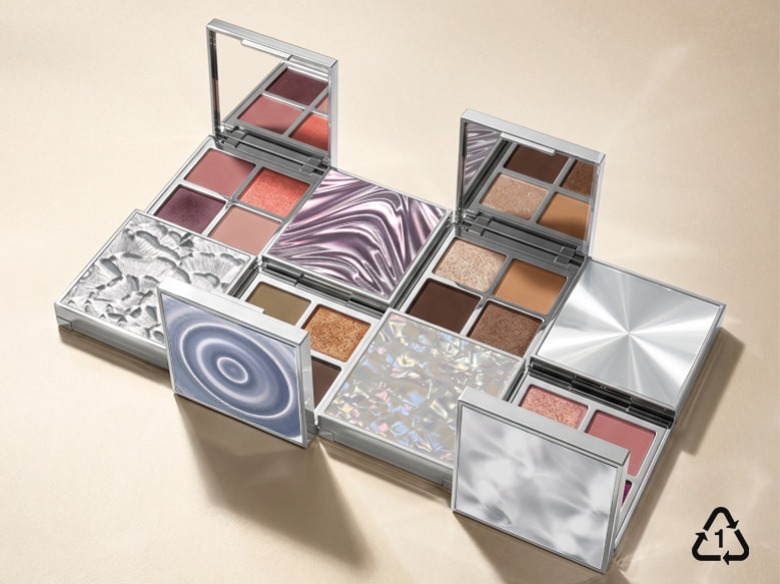
Product quality matters when consumers choose cosmetics, but attractive packaging also captures their attention and communicates a brand’s identity. When choosing a cosmetic packaging supplier, beauty brands often have questions about the customization options available and how the manufacturing process works. This article outlines the key considerations for custom cosmetic packaging to help brands define their requirements and communicate more effectively with suppliers.
What Are the Key Options for Custom Cosmetic Packaging?
Packaging Dimensions and Specifications
Cosmetic packaging suppliers offer containers in a range of styles and configurations, allowing beauty brands to choose packaging that suits their formulations and how consumers use the products. If existing molds do not meet the requirements, suppliers can develop custom molds to create packaging tailored to the brand’s needs. Common customization options include the following:
- Packaging Structure: Customization covers both functional features and container design. Functional options include twist mechanisms, push-button mechanisms, magnetic closures, snap-fit closures, airtight designs, refillable systems, and dual-ended formats. Container specifications include bottle shape, neck dimensions, wall thickness, and inner plugs.
- Packaging Capacity: Container capacity can be customized to suit the required fill volume, from 5 mL sample packs to larger containers holding more than 100 ml.
- Packaging Materials and Components: Common materials include glass, plastic, and aluminum. To support sustainability goals, many brands are exploring mono-material designs and post-consumer recycled PET (PCR-PET), as well as components such as plastic hinge pins and plastic springs.
- Applicator Design: Customization options include applicator size, shape, and materials. Available formats include flocked applicators, metal tips, rollerballs, and brush heads.
Packaging Appearance and Decoration
Custom cosmetic packaging allows beauty brands to tailor packaging appearance to their positioning and identity. Beyond printing, options include surface treatments such as metallic finishes and spray coatings. Combining different materials can also create a more distinctive look. Common customization options include the following:
- Visual Design: Graphics, layouts, and decorative effects can be customized to reflect the brand’s identity. For example, a compact lid can feature iridescent, pearlescent, or matte finishes to create a distinctive look.
- Surface Finishing and Decoration: Options include hot stamping, metallic finishes, spray coating, gradient effects, screen printing, laser engraving, and anodizing. These finishing techniques can enhance the premium look and feel of cosmetic packaging.
Cosmetic Accessories
Customization extends beyond cosmetic containers to accessories such as mirrors, powder puffs, and decorative rings. Coordinating these accessories with the main packaging creates a cohesive look for gift sets, limited-edition holiday collections, and loyalty program gifts, adding value to the overall product offering.
Custom Cosmetic Packaging Considerations by Product Type
Lipsticks, Foundation Sticks, and Contour Sticks
Lipsticks, foundation sticks, and contour sticks commonly use twist-up mechanisms. Customization options include inner cup dimensions, airtight performance, twist-up mechanisms, dispensing systems, and filling methods. Brands can also consider refillable systems or dual-ended formats that pair the product with a brush.
Packaging must also be compatible with the formulation. For example, some lipstick formulas marketed as transfer-proof or long-lasting contain high levels of volatile oils. Without an adequately airtight design, these formulas can deteriorate more easily.
Liquid Lip and Cheek Products
For liquid lip and cheek products, such as lip gloss, lip lacquer, and liquid blush, applicator selection is a key customization consideration. Brands can customize the applicator’s size, shape, and application method, with options including metal tips, flocked applicators, and brushes.
For example, oversized flocked applicators can pick up more liquid blush with each dip, making them suitable for fluid formulas applied generously and blended into a lightweight, sheer finish. Small brush applicators are better suited to highly pigmented formulas that require precise application. Brands should choose applicators based on the formulation, intended use, and product positioning.
Compacts and Makeup Palettes
Customization options for eyeshadow palettes, powder compacts, and blush palettes include the shape, size, number, and arrangement of product wells, opening and closing mechanisms, and refillable designs. Space for brushes and other accessories can also be incorporated. Beauty brands can choose layouts and accessory storage options that suit their product range and desired appearance.
Mascara
Mascara packaging can be customized for grip comfort, ergonomics, and refillability. The brush design affects the amount of mascara picked up and the resulting lash appearance. For example, comb-style brushes help define and separate lashes, while traditional spiral brushes are commonly used to build volume. Brands can choose a brush that suits the formula and desired lash effect.
Jars and Bottles
Jars and bottles can be customized to meet a brand’s requirements, with options including dispensing volume, airtight designs, inner containers, and materials suited to the formulation.
Jars typically have wide openings that allow users to access the product directly, making them suitable for creams, clay masks, and loose powders. Bottles commonly use spray pumps, dispensing pumps, or droppers for products such as toners, serums, and liquid foundations.
Cosmetic Tubes
Cosmetic tubes are lightweight, portable, and easy to squeeze, allowing consumers to control how much product they dispense. Common materials include plastic and aluminum. Beauty brands can choose a suitable opening and closing mechanism for the formulation. For example, concealers and liquid foundations suit twist-type dispensing, while hand creams and facial cleansers suit squeeze dispensing.
How Does the Custom Cosmetic Packaging Process Work?
Once beauty brands have defined their custom cosmetic packaging requirements, they can work with suppliers on design and manufacturing. Lead times typically range from two to three months, although projects requiring new molds may take longer. Understanding the following stages can help brands communicate more efficiently with suppliers and keep packaging development and production on track.
- Define Requirements and Develop the Initial Design: The brand and supplier confirm the packaging dimensions, capacity, materials, structure, and appearance based on the brand’s needs, product positioning, and specifications. Once both parties agree on the quotation, the supplier assesses feasibility and prepares an initial packaging design.
- Assess Feasibility and Develop Tooling Samples: The R&D team reviews the packaging structure, materials, specifications, and manufacturing feasibility. If existing molds do not meet the product requirements, the supplier develops new molds and provides samples for the brand’s approval.
- Finalize Packaging Artwork and Approve Pre-Production Samples (PPS): Once the packaging artwork, colors, printing, and surface finishes are finalized, the supplier produces pre-production samples for the brand to review. If adjustments are needed, the supplier makes the necessary revisions, including mold modifications where required. Production begins once both parties approve the final samples.
- Mass Production, Quality Inspection, and Shipment: The supplier manufactures the packaging, completes quality inspections, and packs the finished goods. The order is then shipped to the designated location using the agreed shipping method.
What Information Should Brands Provide When Requesting a Custom Cosmetic Packaging Quote?
A detailed brief helps suppliers understand the brand’s requirements and propose a suitable custom cosmetic packaging solution more quickly. Providing the same specifications to each supplier also allows beauty brands to compare prices, services, and lead times on a consistent basis and choose a partner that best meets their needs.
Product Formulation and Specifications
When requesting a custom cosmetic packaging quote, beauty brands should provide the product type, formulation characteristics, expected fill volume, and dispensing requirements. Specifying whether the formula is a liquid, cream, powder, or high-viscosity product helps suppliers assess suitable containers, packaging structures, and applicators.
Brands should also communicate any material preferences, special application requirements, or sustainability goals at the start of the quotation process. Examples include PCR materials, airtight designs, and specific applicator tips or brush heads. This allows suppliers to assess feasibility and costs early in the process.
Preferred Packaging Design
Brands can provide reference images, competitor packaging, or examples of designs they like to communicate their preferred shapes, colors, and decorative effects. This helps suppliers understand the design direction more quickly.
If the design direction has not yet been defined, suppliers can review the brand’s website, social media, and existing product range to recommend packaging solutions that reflect its identity and positioning.
Procurement and Supplier Qualification Requirements
Beauty brands and corporate groups should communicate any specific procurement and supplier qualification requirements early in the quotation process. These may include factory audits, ISO-certified quality management systems, sustainability certifications, social responsibility audits, material traceability, or specific testing requirements. This allows suppliers to confirm whether they meet the requirements and helps prevent misunderstandings later in the process.
Expected Order Quantities and Delivery Dates
Before requesting a quote, brands should specify the estimated total order quantity, quantity per SKU, and target delivery or launch date. This helps suppliers confirm minimum order quantities (MOQs), schedule development and production, and account for the time needed for tooling, material sourcing, and finishing. Clear requirements also help both parties agree on a realistic timeline and keep the product launch on schedule.
LIBO Custom Cosmetic Packaging for Your Brand’s Needs
LIBO provides custom cosmetic packaging services backed by an in-house R&D team and world-class, company-owned factories. Having worked with more than 250 beauty brands, LIBO develops packaging tailored to each brand’s product positioning and application requirements, helping brands create cohesive product lines that stand out on the shelf.
LIBO’s Strengths
- Manufacturing and R&D Expertise: LIBO combines advanced manufacturing technologies with in-house R&D capabilities. Its expertise spans lip applicator development and secondary decoration. These capabilities help create packaging that combines visual appeal with functionality.
- Certifications and Industry Credentials: LIBO is a WEConnect International-certified women-owned business. Its credentials also include EcoVadis, GRS, C-TPAT, and multiple ISO certifications, supporting its role as a trusted partner in international supply chains.
- Flexible In-House Manufacturing: LIBO operates modern, company-owned factories in Taiwan and China. Its end-to-end services provide direct control over manufacturing processes and production schedules, allowing greater flexibility to accommodate specification changes and urgent requests.
- A Single Point of Contact: Clients have one dedicated scontact throughout packaging design, sampling, and delivery. This streamlines communication and reduces the need to coordinate with multiple departments. LIBO’s offices in Taiwan and the United States also help provide timely client support.
- Commitment to Sustainability: LIBO incorporates ESG principles into its packaging development, material selection, and supply chain management. Its approach includes aluminum and PCR materials, sustainable packaging designs, and a focus on social responsibility.
〈About LIBO: Company, Strengths, Products, Quality Assurance, ESG〉
Conclusion
Custom cosmetic packaging helps beauty brands build a recognizable identity. Successful development requires careful decisions about container structure, materials, appearance, and supplier coordination. LIBO combines R&D and manufacturing expertise to offer a range of high-quality custom cosmetic packaging solutions. Contact us to discuss your brand’s packaging needs.